























Melon Sandbox
Screen Shots
◀
▶





Country
US
Release Date
2022-12-23 00:00:00
Price
$0.00
File Size
Varies with device
Why Play This Game
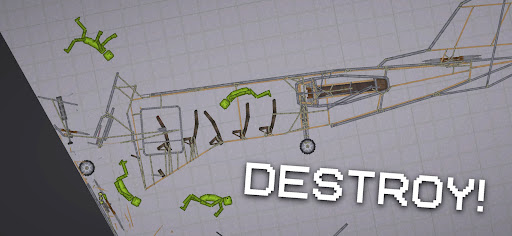
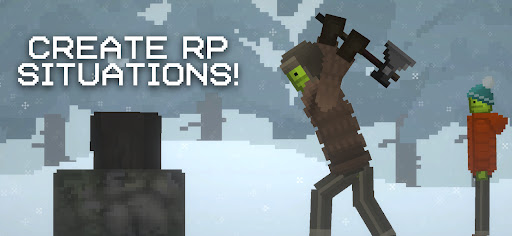
Melon Sandbox is a highly flexible physics-based simulation game designed for players who enjoy creativity, experimentation, and open-ended gameplay. Instead of following a fixed objective, it gives you full control to build, modify, and test interactive scenarios using a wide range of tools and objects.Ideal for users searching for sandbox games, physics simulators, and creative building experiences, Melon Sandbox delivers a dynamic environment where every action produces realistic and often surprising results.
Key Highlights
Unlimited Creative Freedom
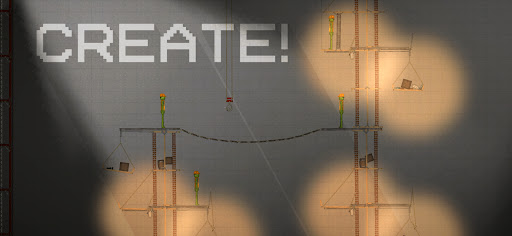
Players can design their own experiments, build structures, or simulate unique scenarios without restrictions, making each session completely different.
Advanced Physics Simulation
Realistic interactions between objects create engaging cause-and-effect gameplay, enhancing immersion and experimentation depth.
Wide Selection of Tools and Items
Access various objects, characters, and interactive elements to expand your creations and test different outcomes.
Experimentation-Driven Gameplay
The game rewards curiosity, allowing players to explore mechanics, test ideas, and discover new possibilities through trial and error.
High Replay Value
With no fixed goals and endless combinations, players can continuously create new scenarios and challenges.
Overall Impression
Melon Sandbox stands out as a powerful sandbox simulation experience. Its combination of realistic physics, creative tools, and open-ended design makes it especially appealing for players interested in simulation games, building mechanics, and user-driven content.
Getting Started
Step 1: Launch the GameOpen Melon Sandbox and choose a map or environment to begin your session.
Step 2: Open the Item Menu
Access the in-game menu to browse available objects, characters, and tools.
Step 3: Place Objects
Drag and drop selected items into the environment, positioning them based on your intended setup.
Step 4: Interact and Adjust
Move, rotate, or activate objects using the controls to start building or experimenting.
Step 5: Test Physics Interactions
Combine items, apply forces, or trigger actions to observe how the physics system responds.
Step 6: Build and Experiment Freely
Create anything from simple setups to complex scenarios, adjusting elements as needed.
Step 7: Reset and Explore New Ideas
Clear the scene and try different combinations to fully explore the game’s creative potential.
Hot App